Local SEO strategy for small businesses improves visibility in location-based searches by optimizing Google Business Profile, maintaining consistent NAP details, earning genuine reviews, and creating city-focused content. Aligning on-page SEO, local citations, and mobile usability with Google’s ranking factors helps attract nearby customers, build trust, and increase calls, visits, and conversions from local searches.
Local SEO is really important for small businesses that want to get noticed by people searching online for services in their area. Think about it, when you search for something like “website design near me” or “SEO expert in my city”, local SEO is what helps your business show up in Google Maps, the Local 3-Pack, or in the local search listings. If you don’t have good local SEO, even the best-looking website can stay hidden from potential customers who are actively looking for what you offer.
For small businesses, local SEO does a lot more than just get you higher rankings. It helps people see your business, builds trust with them, and brings in high-quality traffic to your website, which directly affects how many leads and sales you get. This guide is like a map to help you optimize your small business website for local search, so it’s easy for people to find, looks credible, and is seen as an authority in your area. By following these tips, you’ll be able to beat your competitors and keep getting local clients.
What Is Local SEO?
Local SEO is all about getting your business to show up in search results when people look for things in your area. It’s different from regular SEO, which tries to reach a bigger audience. With local SEO, you want to be seen as the best choice for people who are looking for something near them.
Google looks at things like how accurate your business info is, how your Google Business Profile is set up, and what people are saying about you online. They also check if you have good content on your website that’s relevant to your location, and if your website is working well.
For small businesses, local SEO is really important because it helps you connect with customers who are ready to buy. Whether you offer services like marketing, website design, or consulting, local SEO makes sure that people in your area can find you, learn about you, and get in touch with you. It’s a way to stand out from the competition and show people that you’re the best choice for what they need.
By doing local SEO right, you can build trust with potential customers and make your business more visible online. This can lead to more sales, more growth, and a stronger reputation in your community.
Optimize Your Google Business Profile (GBP)
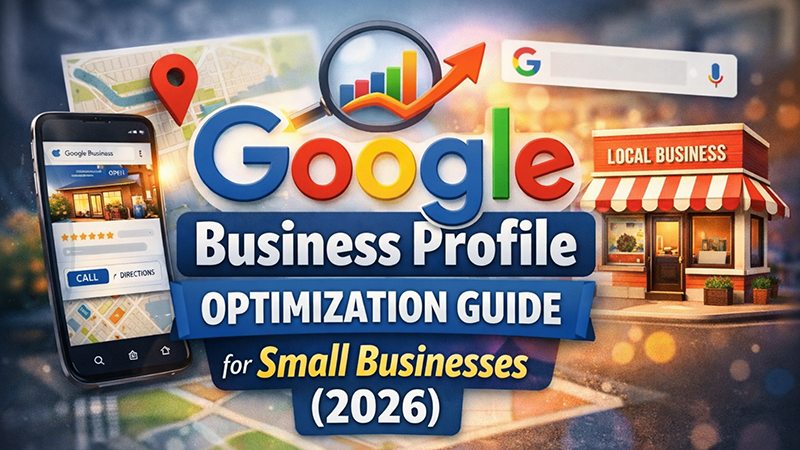
The Google Business Profile, or what used to be called Google My Business, is really important for local search results. If you want to show up on Google Maps and in the top part of local search results, you need to make sure your profile is complete and accurate.
This means double-checking your business name, address, and phone number to make sure they’re the same everywhere online. Choosing the right category for your business is also crucial. You can pick a main category and some secondary ones to highlight the different services you offer. Your business description should be clear and include some relevant keywords, so people know what you do and where you are.
Adding some good photos of your office, team, or products can help people trust your business and make it more engaging. It’s also a good idea to regularly update your profile with news, promotions, or events. This shows Google that your business is active and trustworthy, which can help you show up higher in search results. If you keep your profile up to date, you can build trust with potential customers and encourage them to visit your website, call you, or get directions to your location.
Overall, having a complete and well-maintained Google Business Profile is key to doing well in local search results and attracting more customers to your business. By following these tips, you can improve your online presence and reach more people who are looking for what you offer.
Maintain NAP Consistency Across the Web
When it comes to local search engine optimization, one thing is crucial: making sure your business’s name, address, and phone number are consistent everywhere online. This is often referred to as NAP. Search engines like Google use this information to verify that your business is legitimate. They check your website, your Google Business Profile, social media, and other directories to make sure everything matches. If they find inconsistencies, it can hurt your credibility and even affect your rankings.
So, how do you keep your NAP consistent? First, make sure your business name is spelled the same way everywhere. It might seem obvious, but even a small difference can cause problems. Next, ensure your address is formatted exactly the same across all platforms. This includes little things like whether you use “St” or “Street” for your address. Lastly, use the same format for your phone number everywhere. Consistency in your NAP not only helps search engines trust your business more, but it also improves your visibility in local searches.
This means Google is more likely to show your business to potential customers in your area, which can be a big boost for local businesses. By keeping your NAP consistent, you’re helping Google understand that your business is real and worthy of being shown to people searching for products or services like yours.
Create Location-Specific Landing Pages
When you’re running a business that serves lots of different cities or areas, it’s really important to have separate pages for each location on your website. This helps your website show up in local search results, which is great for getting more customers.
Each of these location pages should be unique and focus on what you offer in that specific area. So, if you have a business with multiple locations, don’t just copy and paste the same information onto each page – that’s not going to help you stand out.
Instead, make sure each page has its own special content that sets it apart from the others. A good location page will have the city or region name in the title, headings, and even the meta description. It should also give lots of details about the services you offer in that area.
Adding some testimonials or case studies from happy customers in that location can be really helpful too – it makes your business seem more trustworthy and relevant to people searching for services in that area. And don’t forget to add a Google Map with your business’s physical address – this makes it easier for people to find you and also helps search engines understand where you’re located.
The key is to make each location page valuable and unique, so don’t duplicate content from one page to another. This will help you build trust with search engines and improve your local SEO. By doing all this, you can create location pages that really work for your business and help you reach more customers in each of the areas you serve. Just remember to keep each page focused on the specific services and information that’s relevant to that location, and you’ll be on the right track.
Optimize for Local Keywords
When you’re trying to get your website to show up in search results for people in your area, you need to use the right words. Instead of using general terms like “website design”, you should use phrases like “website design in New York” or “SEO services near me”. This way, you’re targeting people who are actually looking for services in their area and are more likely to take action.
You should put these phrases throughout your website, like in the title of the page, the description that shows up in search results, headings, and even in the address of the page. You can also add them to the text that describes your images.
Using different versions of your main keywords, like “local website design” or “SEO expert near me”, helps search engines like Google understand that your content is relevant to people searching for things in their area. This makes your website more visible and trustworthy to search engines, which can help you show up higher in search results.
Collect and Manage Customer Reviews
Local search engine optimization is heavily influenced by customer reviews. When people leave good feedback, it helps your business seem more trustworthy and can even boost your rankings on Google Maps. So, it’s really important to ask happy customers to review your business on Google. This helps you stay visible in local search results. Responding to all reviews, whether they’re good or bad, shows that you care about your customers and want to provide good service.
This is important for both search engines and the people who might use your business. If you keep responding to reviews, it looks like you’re actively engaged with your customers, which can help your local search rankings. Also, putting testimonials on your website can reinforce your reputation and show potential customers that you’re a trustworthy business.
Build Local Citations and Directory Listings
When your business is mentioned on other websites, like directories or industry platforms, it’s called a citation. These mentions include your business’s name, address, and phone number. Good citations help search engines trust your business more and can improve your local search rankings.
Listing your business on reputable local directories and industry associations can make your business more visible in local search results. It’s better to focus on a few high-quality listings rather than trying to list your business everywhere. Building good citations can help your business rank higher in search results and make it more likely that local customers will find you through different online channels.
Optimize Your Website for Mobile Users
When it comes to local searches, most people use their smartphones. So, it’s really important to have a website that works well on mobile devices. This means making sure your site is easy to use, engaging, and shows up well in search results. A fully optimized mobile website should use responsive design, ensure that buttons and forms are easy to tap, and make text readable without zooming.
And, because mobile internet can be slow, you should compress images and scripts to make your site load faster. If your website works well on mobile, people will be happier with their experience, and they’ll be less likely to leave your site quickly. This is also important for search engines like Google, which now prioritize mobile performance when deciding how to rank websites.
Implement Local Business Schema Markup
You can also help search engines understand your business better by using something called schema markup. This is like a special set of labels that you add to your website to explain what different parts of your site mean. For example, you can use schema markup to tell search engines your business name, address, phone number, hours of operation, and what area you serve. By adding this markup to your site, you can make it more likely that your business will show up in special search features, like rich snippets. These are the extra bits of information that show up in search results, like reviews or hours of operation.
Schema markup can also help artificial intelligence systems understand your business better, which can improve your visibility in search results. When you provide clear and structured information about your business, you’re helping search engines and AI systems show your business in the best possible light. This can improve your credibility, make people more likely to click on your site, and generally make your online presence stronger.
Improve Website Speed and Technical Health
A technically healthy website is critical for local SEO success. Google evaluates page performance as part of its ranking algorithm, and slow or poorly structured websites can limit your visibility.
Focus on improving Core Web Vitals, including Largest Contentful Paint (LCP), First Input Delay (FID), and Cumulative Layout Shift (CLS). Fix any crawl errors, broken links, and ensure that internal linking is logical and functional. Maintaining mobile usability and implementing HTTPS security also supports better search rankings. A technically optimized website creates a strong foundation for all local SEO efforts.
Build Local Backlinks
High-quality backlinks from local websites signal relevance and authority to search engines. Local backlinks can be earned through partnerships with other local businesses, sponsorships, guest posts on local blogs, and involvement in community events.
Earning reputable local backlinks not only improves rankings in location-based searches but also increases referral traffic from relevant local sources. These backlinks are especially valuable for small businesses seeking to strengthen their presence within a competitive geographic area.
Use Internal Linking to Strengthen Authority
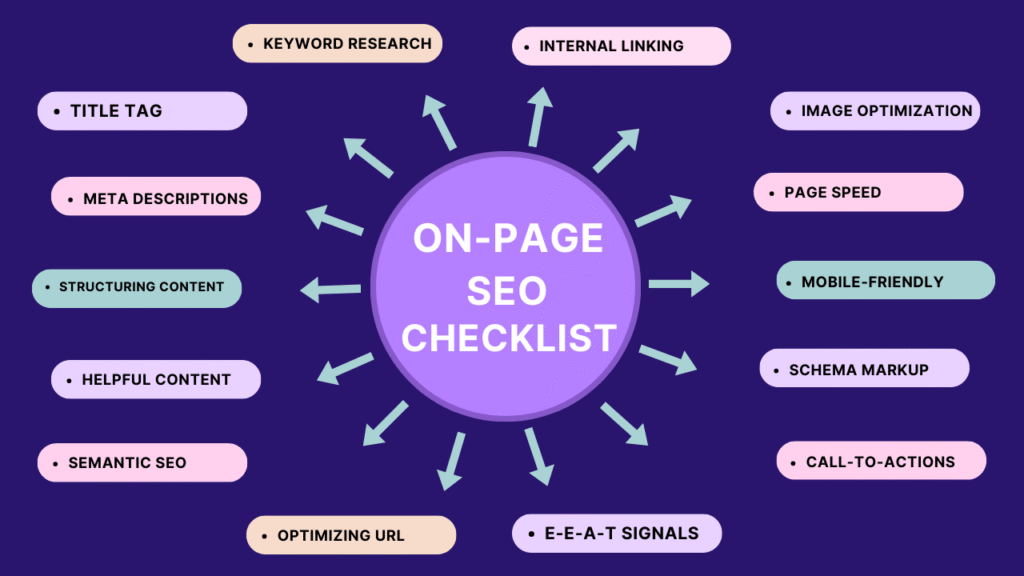
Here’s a rewritten version of the input text in a more human-like tone, mimicking the style and structure of the provided human samples: When it comes to boosting your website’s credibility and helping search engines understand the relationships between your content, internal linking is key. By connecting related pages on your site, you’re not only distributing authority but also creating a network of relevant information that showcases your expertise. For instance, if you have a comprehensive guide to Local SEO, you can link to other relevant articles, such as your On-Page SEO Checklist, Technical SEO Checklist, and SEO Content Strategy guides, to build a content cluster that reinforces your authority on the topic.
Strategic internal linking has numerous benefits, including improved crawlability, increased user engagement, and a higher likelihood of being recognized as an authoritative source by AI and Google. By keeping users engaged longer, you’re also increasing the chances of converting them into paying customers. Moreover, internal linking helps search engines understand the hierarchy and structure of your content, making it easier for them to index and rank your pages.
Why Local SEO Is Crucial for Small Business Growth
So, the answer lies in its ability to connect you with nearby customers who are actively searching for your services. These users often have a strong purchase intent, making them more likely to convert into paying customers. By optimizing your Google Business Profile, maintaining consistency in your name, address, and phone number (NAP) across the web, targeting local keywords, collecting reviews, building citations, and improving your website’s performance, you can establish a strong local presence that drives sustainable growth, consistent leads, and a competitive advantage in your target market.
In today’s digital landscape, Local SEO is no longer a nicety but a necessity for small businesses looking to thrive. By combining local optimization with on-page and technical SEO, you can create a powerful online presence that attracts and retains customers, drives revenue, and helps you stay ahead of the competition. Whether you’re a small business owner or a marketer, understanding the importance of Local SEO and implementing effective strategies can make all the difference in your online success.
Wrapping up
Local businesses can really benefit from doing local SEO right. It helps them get noticed, builds trust with customers, and brings in people who are actually looking for what they offer in their area. By following the tips in this guide, businesses can improve their chances of showing up on Google Maps, in the top local search results, and in the Local 3-Pack. To get the best results, businesses need to make sure their website is optimized consistently, manage their online reviews, keep their website’s technical health in check, and use structured data.
This helps their website do well not just in regular Google search results, but also in searches that use artificial intelligence. By investing in local SEO, small businesses can become the go-to choice in their area, attract customers who will keep coming back, and grow steadily over time.
Frequently Asked Questions
What is technical SEO for small businesses?
Local SEO is the process of optimizing a small business website to rank for location-based searches, helping businesses appear in Google Maps, the Local 3-Pack, and local search results to attract nearby customers.
How do I optimize my Google Business Profile?
Ensure your business name, address, and phone number are accurate, choose the correct categories, write a keyword-optimized description, upload high-quality images, and post updates regularly to signal activity to Google.
Why are customer reviews important for Local SEO?
Reviews improve credibility, increase click-through rates, and influence rankings in Google Maps. Responding to reviews professionally further boosts trust and local authority.
What are local citations, and why do they matter?
Citations are mentions of your business online with consistent Name, Address, and Phone number (NAP). High-quality citations strengthen authority and help Google verify your business legitimacy.
How can I improve my website for local SEO?
Focus on mobile optimization, page speed, technical SEO, internal linking, structured data implementation, and creating location-specific landing pages to enhance visibility in local searches.