Understanding Website Ranking Recovery
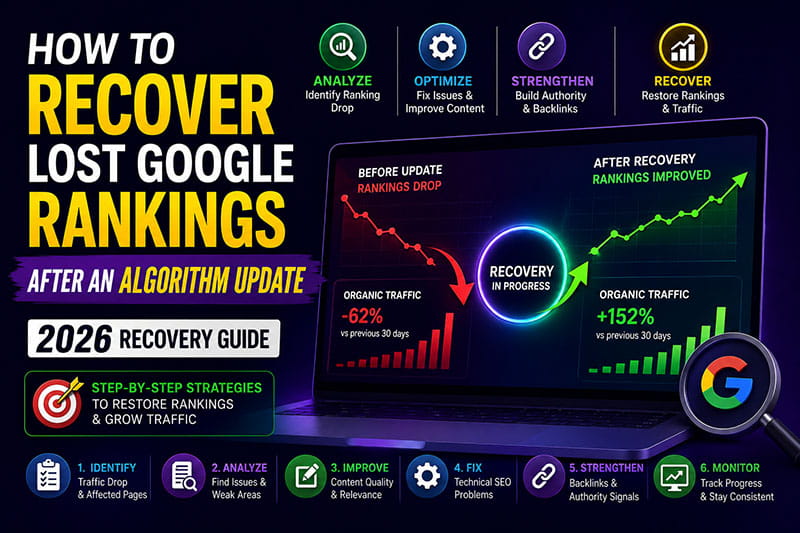
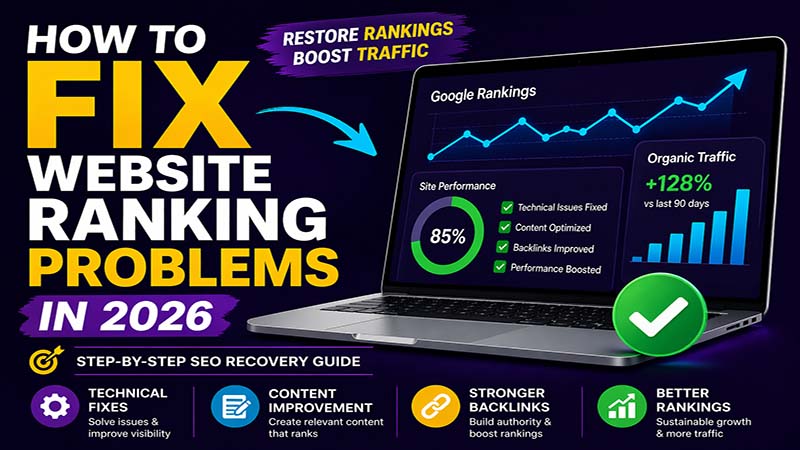
How to fix website ranking problems in 2026 involves identifying technical errors, improving content relevance, strengthening website performance, and building reliable authority signals. Most ranking issues occur due to slow loading speeds, indexing problems, outdated content, or weak topical structure. By conducting a detailed audit and applying structured improvements, websites can gradually restore visibility and maintain stable search performance over time.
A lot of website owners find it difficult to figure out how to fix website ranking problems, particularly when traffic drops suddenly without warning. In today’s search environment, ranking declines rarely happen because of a single obvious mistake. Instead, performance gradually weakens due to technical issues, weak content signals, and outdated optimization practices.
Search engines in 2026 evaluate websites using advanced systems that measure content relevance, technical performance, user engagement, and topical authority together rather than separately.
Finding the real reasons behind declining visibility is an essential part of successful recovery. Before making major changes, it is helpful to understand the real reasons your website is not ranking on Google, because identifying root causes prevents repeated mistakes.
Learning how to recover lost rankings requires patience, structured planning, and a clear understanding of how search systems evaluate trust and relevance. Random changes rarely help. A systematic approach that improves technical strength, content clarity, and authority signals creates sustainable improvements that strengthen long-term visibility.
Start With a Complete SEO Audit
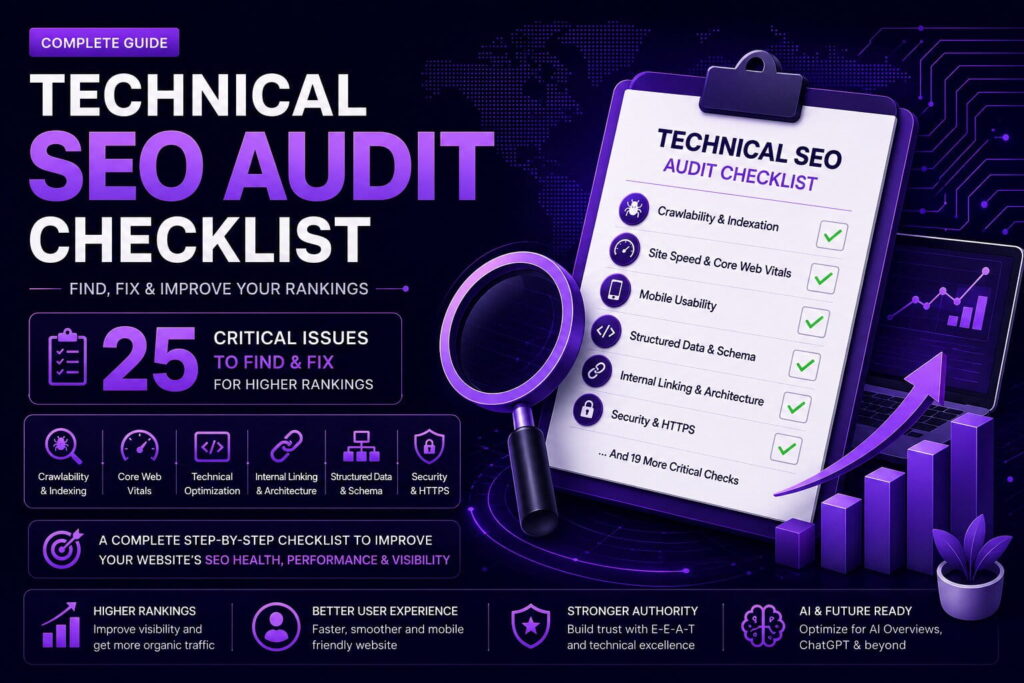
The roadmap to successful ranking recovery always begins with a careful inspection of your website’s current condition. Many site owners attempt shortcuts instead of identifying the root causes of problems, which often leads to unsatisfactory results and wasted effort. A thorough audit helps identify website SEO issues that limit search visibility and weaken performance over time.
To better understand how search engines evaluate websites, you can review official recommendations in the Google Search Central SEO Starter Guide.
Technical problems often remain hidden and difficult to detect without careful analysis. Issues such as broken links, duplicate content, and site crawl errors can prevent search engines from interpreting your website correctly. Addressing these structural weaknesses strengthens your site’s foundation and ensures that search engines can properly access and evaluate each page. Without resolving these issues, improvements in content or backlinks may deliver only temporary benefits.
Another critical factor that directly influences visibility is indexing status. Many website owners do not realize that valuable pages sometimes fail to appear in search results due to indexing problems. Monitoring indexing performance helps identify crawling errors early and restore lost visibility before rankings decline further. Resolving indexing issues quickly makes it easier for search engines to understand and trust your content.
Improve Technical Performance to Strengthen Visibility
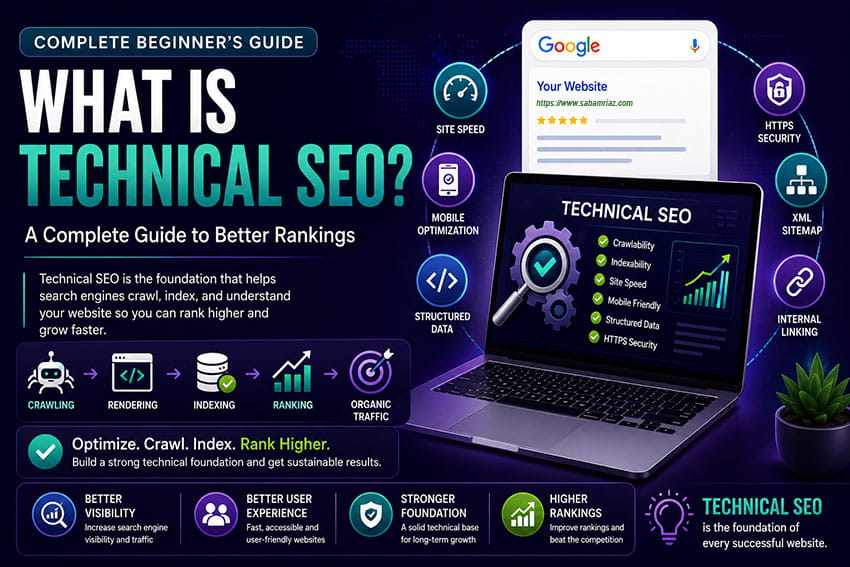
Technical performance is the foundation of long-term search visibility, and even strong content may struggle to compete without it. Ranking problems often begin when websites load slowly, perform poorly on mobile devices, or fail to deliver a smooth browsing experience. Strengthening your website’s technical structure allows both users and search engines to interact with it efficiently.
Page speed remains one of the most important ranking factors in modern SEO. When a website takes too long to load, visitors often leave without interacting with the content, sending negative signals that weaken performance. Improving loading speed helps retain visitors, increases engagement, and supports stronger overall visibility. You can analyze loading speed and performance issues using which provides practical recommendations for improvement.
Mobile usability is equally important as desktop performance. Since most users browse the web through smartphones, a responsive design plays a major role in maintaining user satisfaction. Improving mobile navigation ensures that visitors can move through your site easily, regardless of the device they use. As mobile usability improves, engagement becomes smoother, supporting trust signals and long-term ranking stability.
Enhance Content Quality and Match Search Intent
Content relevance remains one of the strongest ranking signals in modern search environments, especially as search engines become better at understanding user intent. Many websites lose visibility not because their content is poorly written, but because it no longer answers the exact questions users are searching for. Aligning content with real user intent improves clarity and increases the chances of maintaining stable visibility.
Updating older content remains one of the most reliable ways to restore rankings. Over time, even strong pages become outdated as information changes and search behavior evolves. Refreshing existing content with accurate information helps maintain relevance and strengthens trust signals. When content remains current, search engines recognize it as reliable and valuable.
Depth and clarity also play a major role in ranking performance. Articles that explore topics thoroughly, explain ideas clearly, and provide useful insights often perform better than shorter or incomplete content. When visitors spend more time reading and engaging with your pages, search engines receive stronger signals that your content provides meaningful value.
Build Topical Authority to Support Website Ranking Recovery
Search engines prefer websites that demonstrate consistent expertise across related topics, rather than publishing isolated articles without clear connections. When content lacks logical structure, search engines struggle to understand how individual pages support each other. Building strong topical alignment is essential for long-term visibility, especially in competitive environments where authority plays a decisive role.
Topical authority develops when related content is organized into meaningful structures that show clear relationships between subjects. Instead of publishing disconnected pages, linking related topics helps search engines recognize patterns and understand the broader focus of your content. A structured content strategy strengthens credibility signals and improves visibility across related search queries.
Improving topical structure also enhances user experience. When visitors can move easily between related pages, they spend more time exploring your content. This increased engagement builds trust over time and supports steady performance instead of temporary ranking improvements.
Strengthen Authority Through High-Quality Backlinks
External references remain one of the strongest signals of credibility in modern SEO, because they show search engines that other websites trust your content. When authoritative sources link to your pages, it strengthens your reputation and improves the likelihood of ranking in competitive search results.
Not every backlink contributes positively to performance. Links from unrelated or low-quality websites may weaken trust rather than strengthen it. The most effective approach focuses on earning links from reputable sources that share similar topics or audiences. When your content provides meaningful value, other websites are more likely to reference it naturally over time.
Sometimes rankings decline when valuable backlinks are lost or removed. In such cases, restoring authority requires updating outdated content, improving relevance, and reconnecting with reliable sources. When backlinks are supported by strong technical structure and useful content, they contribute to long-term stability instead of short-term gains.
Optimize Content for AI Search and Semantic SEO
Modern search systems are evolving beyond simple keyword matching and are becoming more focused on understanding the meaning behind content. Instead of relying only on exact phrases, search engines analyze the relationships between ideas, context, and how clearly information answers user questions. Creating content with clear explanations helps search engines interpret your message more accurately.
Semantic clarity plays an important role in helping search systems understand content structure. When ideas are explained logically and connected through meaningful context, search engines can better recognize the depth and usefulness of your information. Clear organization allows your content to appear across multiple related searches instead of depending on a single phrase.
AI-friendly content also improves the user experience. When information flows naturally and remains easy to understand, visitors are more likely to stay longer and explore additional pages. Increased engagement sends positive signals that reinforce content value and support long-term ranking stability.
Maintain Long-Term Monitoring and Performance Stability
Fixing technical issues is not the final step in SEO recovery. Long-term ranking stability depends on consistent monitoring and gradual improvement, rather than one-time adjustments. Many websites regain visibility temporarily but lose it again because they fail to track performance changes or respond to evolving search trends.
User behavior continues to change, which means content that performs well today may become less effective over time. Regular performance checks help identify early warning signs before traffic begins to decline. Understanding how visitors interact with your pages makes it easier to identify which content performs well and which areas require improvement.
Performance stability also depends on maintaining a technically healthy website. Small technical issues, when ignored, can gradually weaken performance and reduce trust signals. Regular reviews help ensure that your website remains accessible and reliable for both users and search engines. Over time, consistent monitoring builds resilience and supports stable performance in competitive search environments.
What is the fastest way to fix website ranking problems?
The fastest way to fix website ranking problems is to identify technical errors, improve page speed, and update outdated content. Most ranking declines occur due to indexing issues, slow performance, or weak content relevance. Fixing these core problems first helps restore visibility and supports gradual ranking recovery.
How do I know why my website ranking dropped?
You can identify ranking drops by reviewing technical performance, indexing status, content quality, and backlink changes. Monitoring performance data helps detect traffic losses and reveals hidden problems that affect visibility. Understanding the root cause allows you to apply targeted fixes instead of making random adjustments.
Can technical issues affect website rankings?
Yes, technical issues can significantly affect website rankings. Problems such as slow loading speed, broken links, crawl errors, and poor mobile usability can prevent search engines from accessing pages correctly. Fixing these issues improves website performance and strengthens long-term ranking stability.
How often should I update content to improve rankings?
Content should be reviewed and updated regularly to maintain relevance and accuracy. Many successful websites refresh important pages every few months to keep information current. Updating content helps search engines recognize reliability and increases the chances of maintaining stable search visibility.
Does improving website speed help rankings?
Improving website speed helps rankings because faster loading pages improve user experience and reduce bounce rates. When visitors stay longer and interact with content, search engines receive positive engagement signals. Faster websites are more likely to maintain stable visibility in competitive search environments.
A Structured Strategy Leads to Sustainable Rankings
Achieving long-term search visibility requires more than isolated improvements. Sustainable progress depends on strengthening technical performance, improving content relevance, and building reliable authority signals over time. Websites that focus on steady development rather than quick fixes are more likely to maintain stable rankings and adapt to changing search environments.
Recovery rarely happens instantly, and meaningful improvement usually develops gradually as search engines recognize stronger relevance and trust signals. Consistent effort, careful monitoring, and ongoing refinement play an essential role in maintaining visibility. When technical health, content quality, and authority signals work together, websites become more resilient and better prepared for competitive search conditions.
A structured approach ensures that each improvement contributes to lasting visibility rather than temporary success. By maintaining technical reliability, updating content regularly, and strengthening credibility signals, websites can continue growing even as search technologies evolve.